











Web apps for the regulated healthcare stack

Compliant web apps for carriers, ministries, hospitals, healthcare enterprises, ISVs, and founders. FHIR-native by default. Audit-ready. Procurement-ready.

Outcomes

Web apps that shipped, and kept running after launch

Outcomes from the healthcare web apps we have delivered, and the ones we are still operating today.

4 to 6 weeks

From kickoff to a clinical web app a real clinician can touch.

100%

HIPAA, GDPR, and HL7 FHIR conformance on every web app we have shipped.

50,000+

Health systems integrated across the Life Value web app portfolio.

technologies

Built with the right tech stack for Healthcare

React
Angular
Vue.js
Ruby on Rails
Python
React Native
Flutter
iOS
Android
React
Angular
Vue.js
Ruby on Rails
Python
React Native
Flutter
iOS
Android
React
Angular
Vue.js
Ruby on Rails
Python
React Native
Flutter
iOS
Android

Ready to build your product with confidence?

Talk to a product strategist. No pressure. Just clarity.

FAQ’s

Frequently Asked Questions

We’ve answered the questions we hear most from healthcare teams, founders, and partners. Don’t see yours? Reach out: we’re here to help.

What does a healthcare web app need to be procurement-ready?

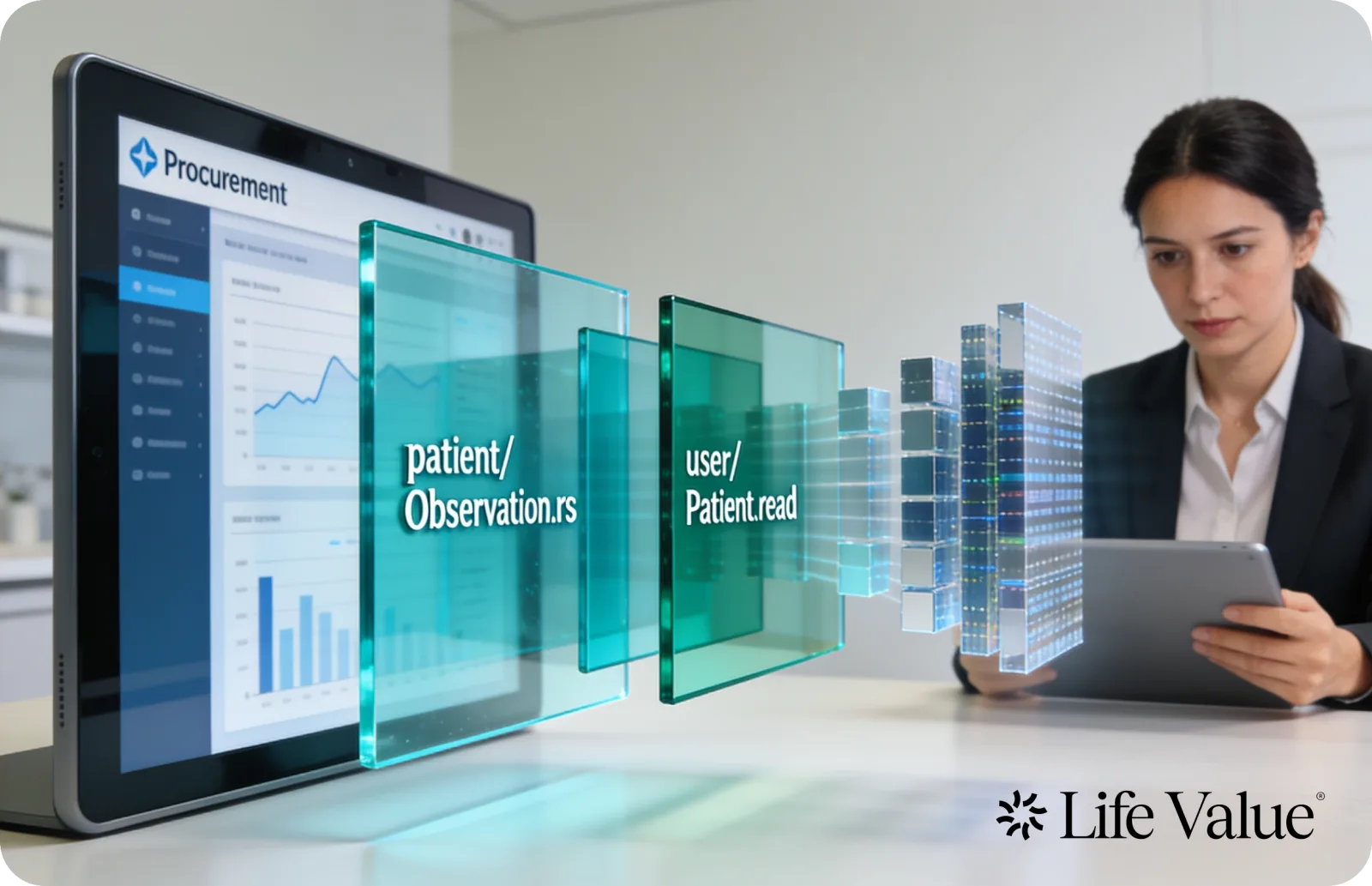
Three things in place at the same time. SAML or OIDC single sign-on into the carrier or hospital identity provider. SOC 2 Type II or ISO 27001 documentation that the buyer's procurement team can map to their security questionnaire. A Business Associate Agreement that covers the hosting plus every subprocessor. The web app itself is the easy part. Procurement readiness is the difference between a six-month pilot and a six-month redline cycle.

How does a healthcare web app handle FHIR data?

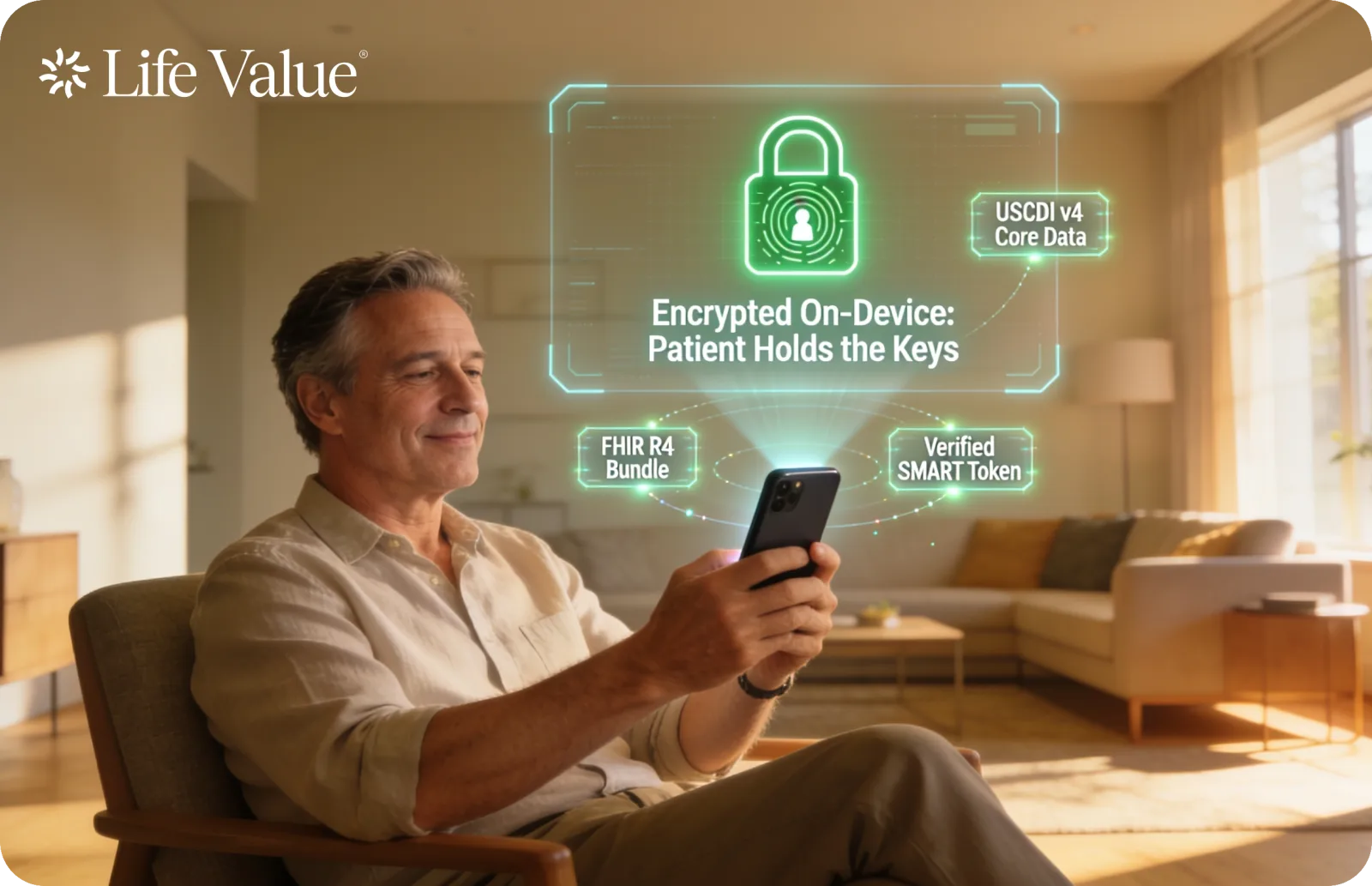
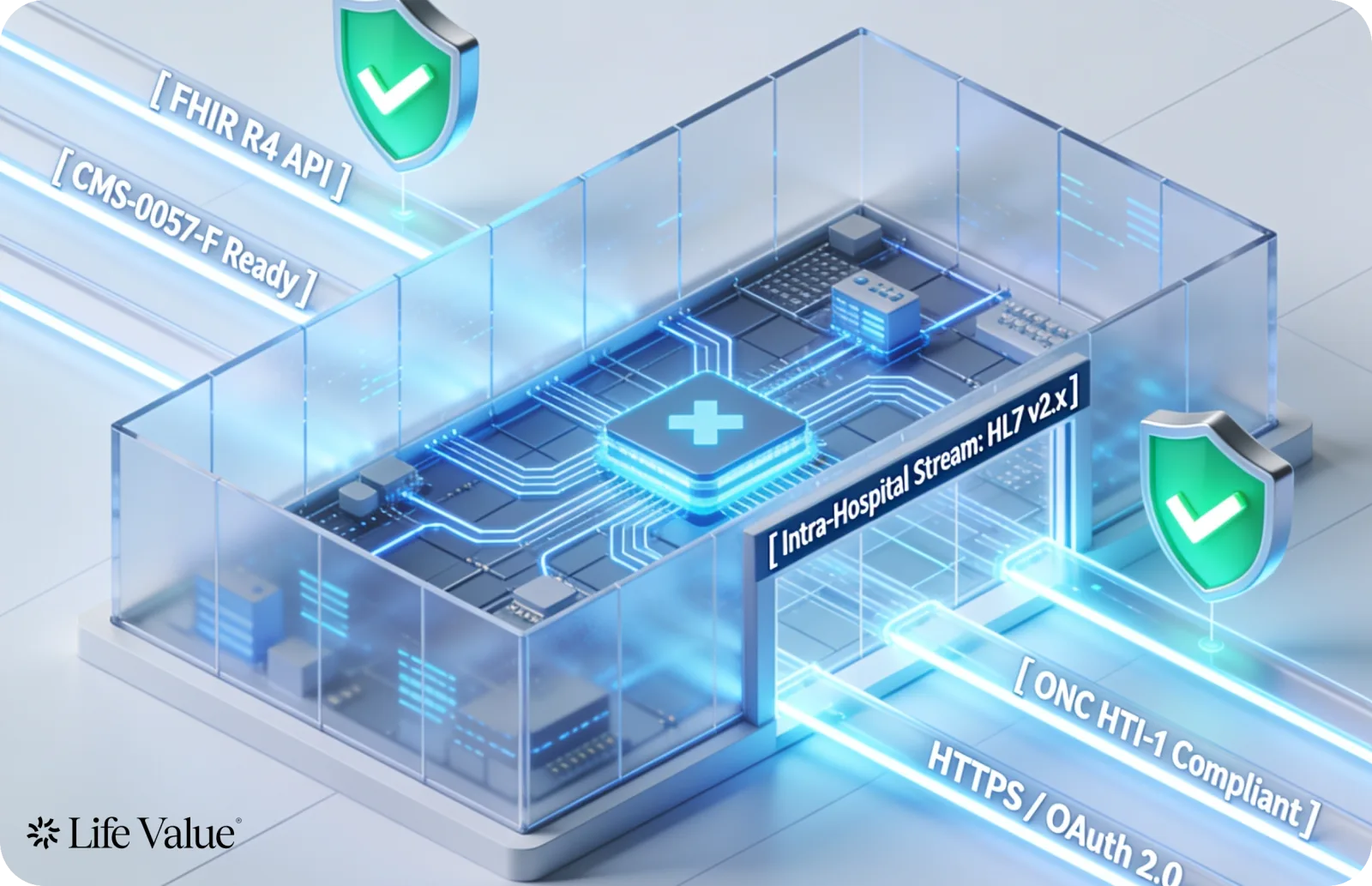
It depends on which buyer you are. A carrier ingests FHIR resources from the CMS-0057-F payer-to-payer and provider APIs. A hospital exposes FHIR R4 through Epic, Oracle Cerner, MEDITECH, or athena via SMART on FHIR. A founder app reads a patient FHIR bundle from Apple Health or Google Health Connect. We build the FHIR layer once and connect it to whichever side of the data exchange you sit on.

Can you build a web app that runs inside our existing EHR?

Yes. SMART on FHIR launches inside Epic Hyperspace, Oracle Cerner PowerChart, MEDITECH Expanse, athena, and most major US and EU EHRs. The clinician opens the app from the EHR menu with patient context already populated. No separate login. No tab switching. This is the integration pattern that gets a clinical web app actually used after launch.

How do you avoid the compliance retrofit at the end of the build?

HIPAA, GDPR, HL7 FHIR, and ISO 27001 controls are designed into the architecture in the first sprint, not added before launch. Hosting is HIPAA-eligible from day one. Audit logging is wired into the database layer from day one. Access control is role-based and tested. The retrofit happens when teams treat compliance as a launch gate instead of a build constraint.

Can’t find the answer you’re looking for? 
We are here to help.

Ready to accelerate your next digital health breakthrough?

Whether you're launching a new solution or scaling an existing product, Life Value gives you the clarity, speed, and compliance needed to move with confidence.