











Healthcare product discovery, brief to clinical MVP

Clinical discovery for carriers, ministries, hospitals, healthcare enterprises, ISVs, and founders. FHIR data model, EHR integration mode, and a procurement-ready brief in 4 to 6 weeks.

Outcomes

Briefs that engineering built and compliance signed off on

Outcomes from the discovery engagements we have run for carriers, ministries, hospitals, enterprises, ISVs, and founders.

4 to 6 weeks

From kickoff to a clickable clinical prototype and a build-ready brief.

7 ICPs

Discovery patterns proven across payers, ministries, hospitals, enterprises, ISVs, founders, and patients.

100%

Briefs delivered with FHIR data model, HIPAA posture, and MDR class assessment included.

technologies

Built with the right tech stack for Healthcare

React
Angular
Vue.js
Ruby on Rails
Python
React Native
Flutter
iOS
Android
React
Angular
Vue.js
Ruby on Rails
Python
React Native
Flutter
iOS
Android
React
Angular
Vue.js
Ruby on Rails
Python
React Native
Flutter
iOS
Android

Ready to build your product with confidence?

Talk to a product strategist. No pressure. Just clarity.

FAQ’s

Frequently Asked Questions

We’ve answered the questions we hear most from healthcare teams, founders, and partners. Don’t see yours? Reach out: we’re here to help.

What does a healthcare product discovery engagement actually produce?

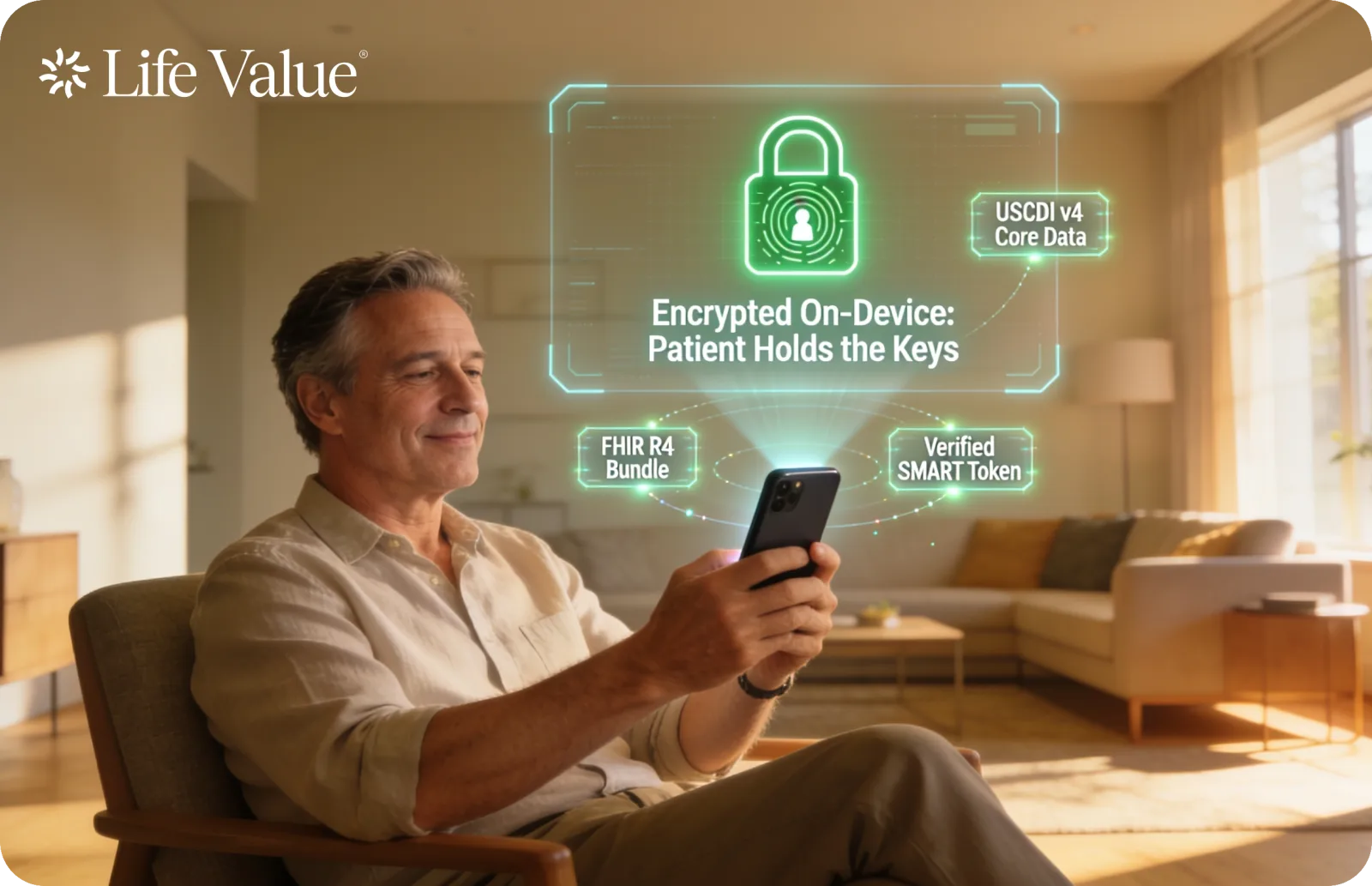
A procurement-ready product brief. That means a clinical user research write-up from shadowing in the actual setting, a FHIR R4 data model, a security architecture sketch, the chosen EHR integration mode (SMART on FHIR, HL7 v2, or FHIR API), a HIPAA and GDPR posture statement, an MDR class assessment if the product touches diagnosis or treatment, and a 4 to 6 week clinical MVP plan engineering can build from on day one.

What does clinical user research mean in practice?

Shadowing clinicians in the room where the work happens. ED triage, primary care rooming, OBGYN intake, oncology infusion, payer prior authorization queues, lab order workflows. We read the existing flow inside Epic Hyperspace, Oracle Cerner PowerChart, MEDITECH Expanse, or athenaOne, then interview the nurses, scribes, billers, and CMIOs who already work around the system. The brief reflects the real workflow, not a whiteboard version of it.

How do you decide between SMART on FHIR, HL7 v2, and a direct FHIR API?

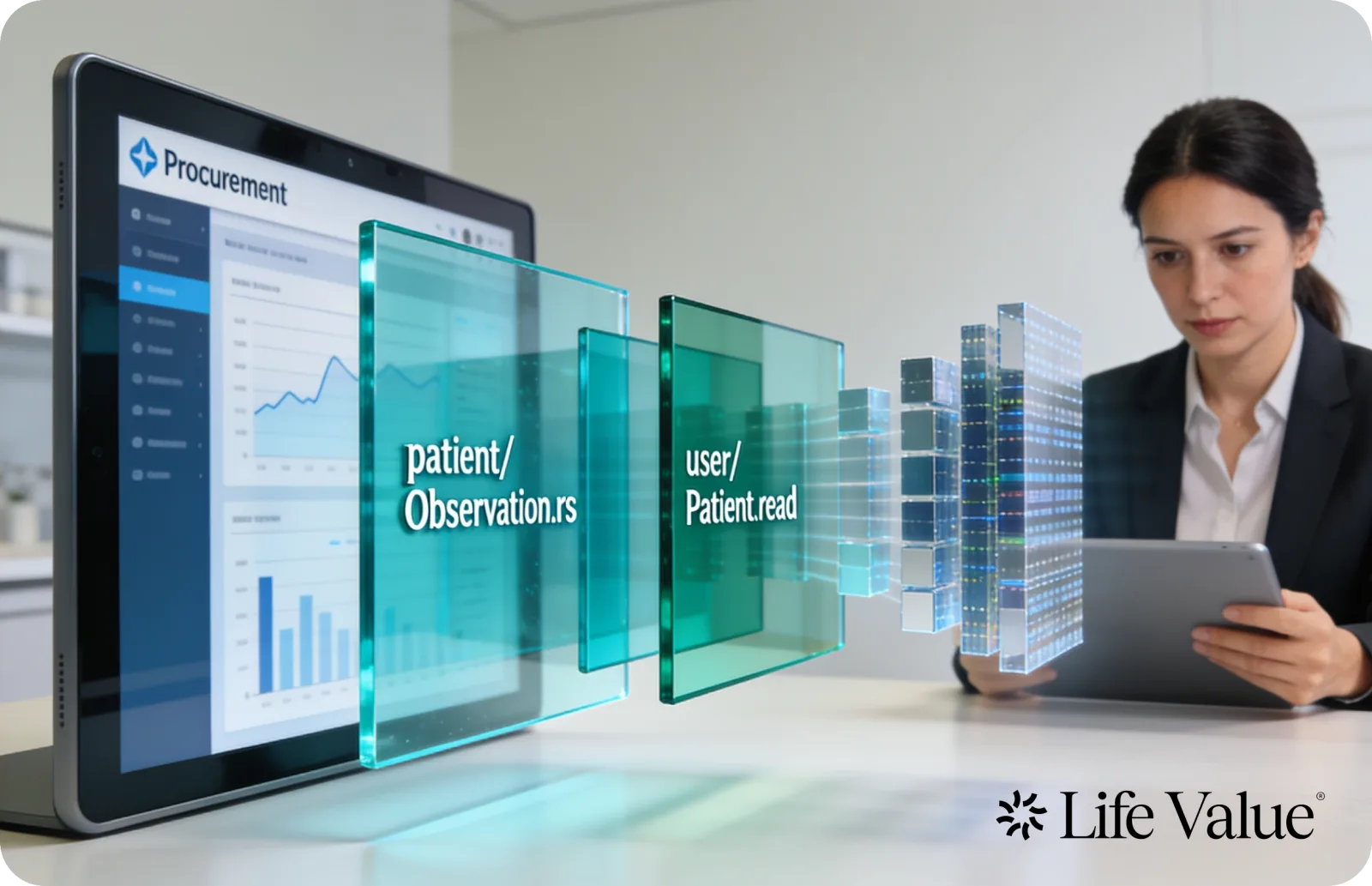
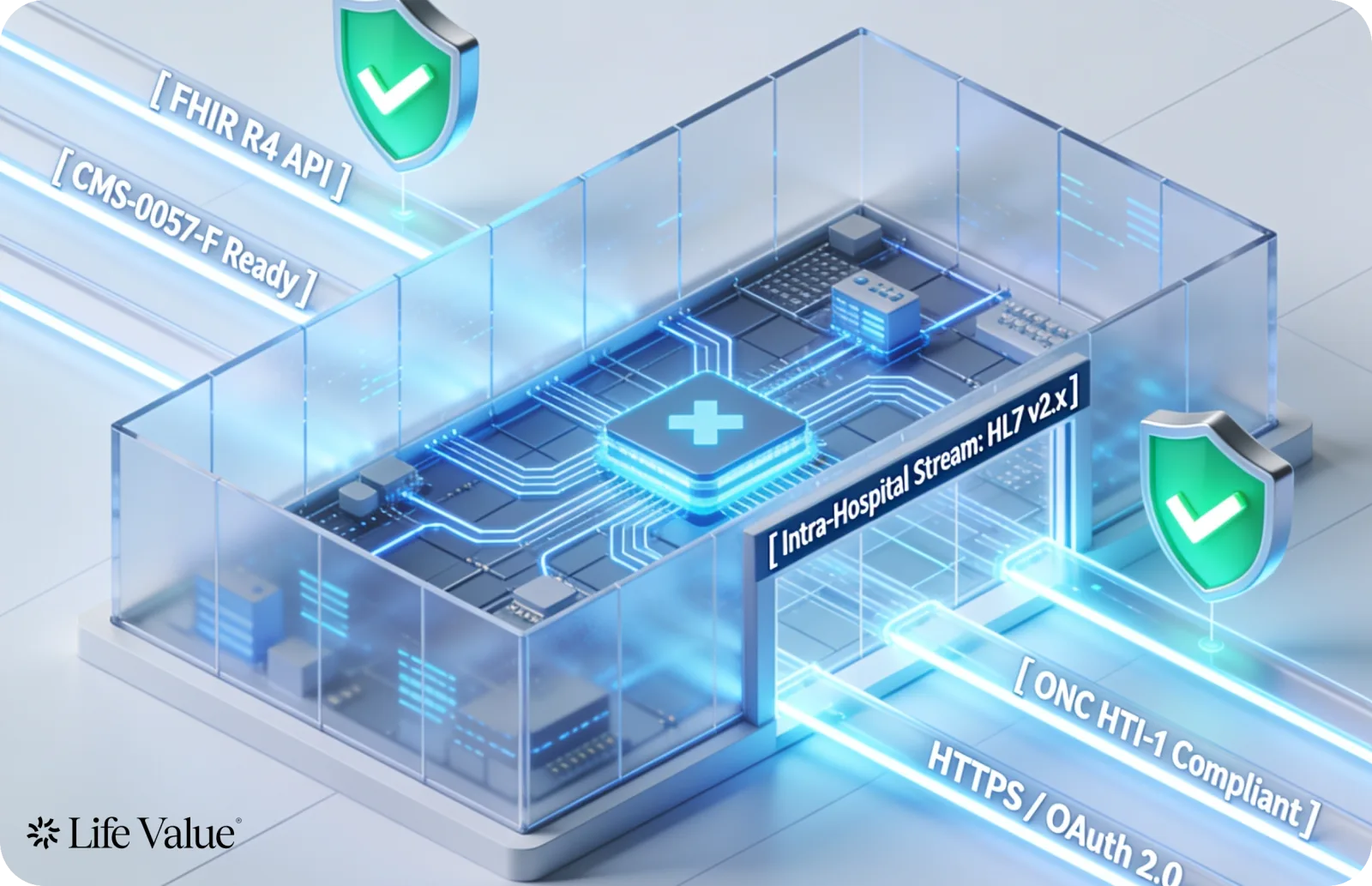
It is decided during discovery, not after the build starts. SMART on FHIR fits products that launch inside the clinician's EHR session with patient context populated. HL7 v2 fits batch order, result, and ADT message flows where the hospital interface engine is the integration point. A direct FHIR API fits payer CMS-0057-F payer-to-payer and provider feeds, ISV platforms, and patient-mediated exchange via Apple Health or Google Health Connect. The brief names the mode, the endpoints, and the auth pattern.

What does the compliance posture in the brief cover?

HIPAA scope and Business Associate Agreement boundary, GDPR lawful basis and data residency, HL7 FHIR R4 conformance targets, ISO/IEC 27001:2022 control mapping, SOC 2 Type II readiness gaps, and an MDR class assessment for products that touch diagnosis, monitoring, or treatment. For German, French, and UK buyers we add C5, HDS, and Cyber Essentials Plus posture. Compliance can sign off on the brief before engineering writes a line of code.

Can’t find the answer you’re looking for? 
We are here to help.

Ready to accelerate your next digital health breakthrough?

Whether you're launching a new solution or scaling an existing product, Life Value gives you the clarity, speed, and compliance needed to move with confidence.