










Working AI prototypes for one clinical or claims use case

One healthcare AI use case, built in 1 to 3 weeks on real synthetic FHIR or de-identified production data, validated against the workflow it has to live in.

Outcomes

Prototypes that proved the use case, or killed it fast

Outcomes from AI prototypes shipped to carriers, ministries, hospitals, healthcare enterprises, ISVs, and founders.

1 to 3 weeks

From kickoff to a prototype a clinician or claims reviewer can click through.

100%

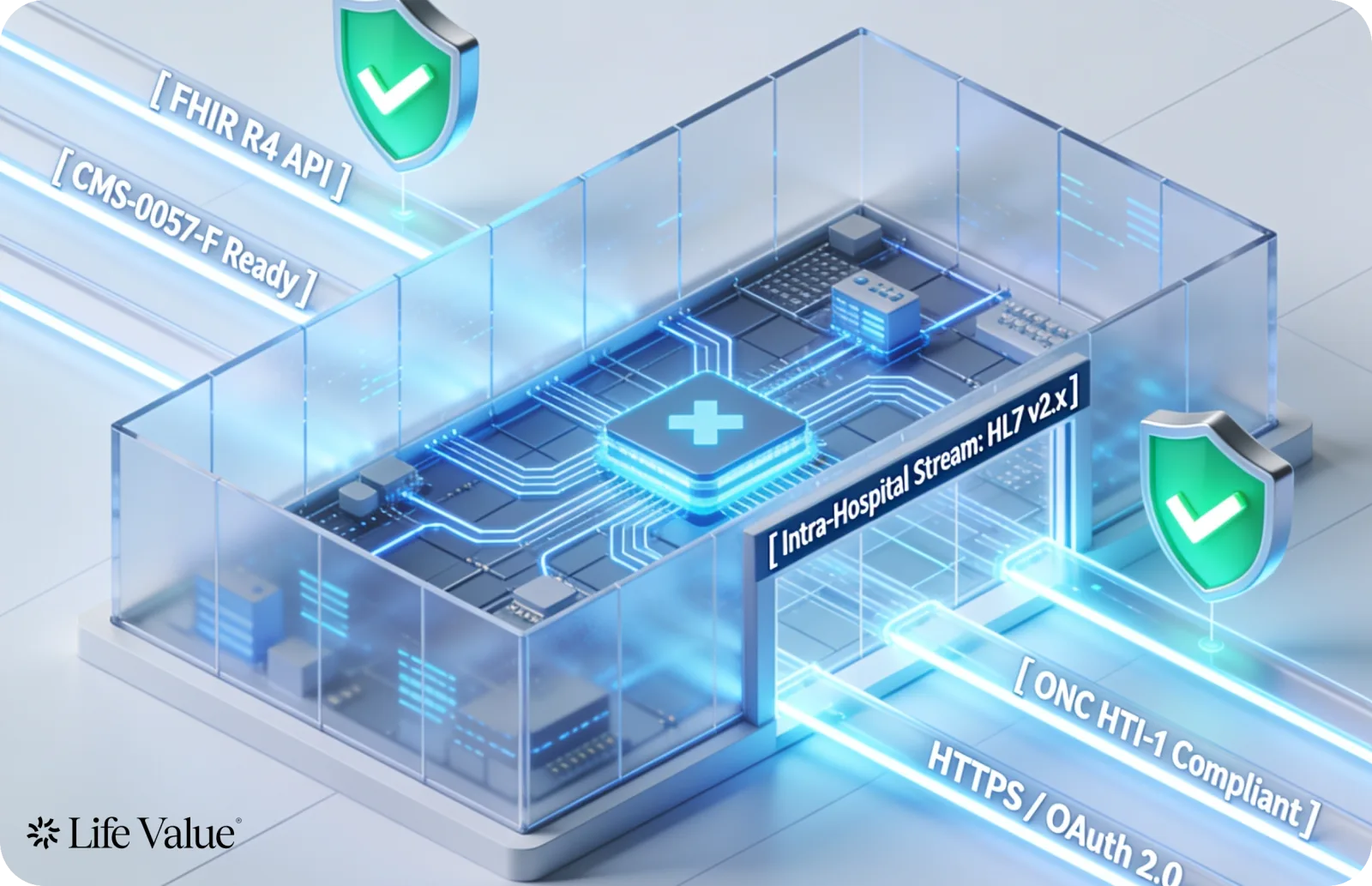
PHI stays inside the BAA boundary on AWS Bedrock or Azure OpenAI HIPAA tier.

1

Use case per engagement. No AI strategy decks. The output is a working thing.

technologies

Built with the right tech stack for Healthcare

React
Angular
Vue.js
Ruby on Rails
Python
React Native
Flutter
iOS
Android
React
Angular
Vue.js
Ruby on Rails
Python
React Native
Flutter
iOS
Android
React
Angular
Vue.js
Ruby on Rails
Python
React Native
Flutter
iOS
Android

Ready to build your product with confidence?

Talk to a product strategist. No pressure. Just clarity.

FAQ’s

Frequently Asked Questions

We’ve answered the questions we hear most from healthcare teams, founders, and partners. Don’t see yours? Reach out: we’re here to help.

What counts as a working AI prototype, vs a research POC or a chatbot demo?

A working prototype runs against real workflow context. For a payer, that means a prior-auth approval predictor wired to a sandbox claims feed under a Business Associate Agreement. For a hospital, a SMART on FHIR launch inside Epic Hyperspace that a clinician can click through. The output is a Loom of the prototype in use, a 5-page architecture brief, a clinician validation note, and a productionization cost estimate. Not a Notion page. Not a slide deck.

What data do you prototype on?

Real synthetic FHIR R4 data, or de-identified production data under a signed Business Associate Agreement. For carriers we pull from the CMS-0057-F payer-to-payer and provider APIs in sandbox. For hospitals we read from Epic, Oracle Cerner, MEDITECH, or athena via SMART on FHIR. For ISVs and digital-health platforms we use the same FHIR layer the production app will run on. Toy datasets are not used.

Where does the LLM run, and how do you keep PHI inside the BAA boundary?

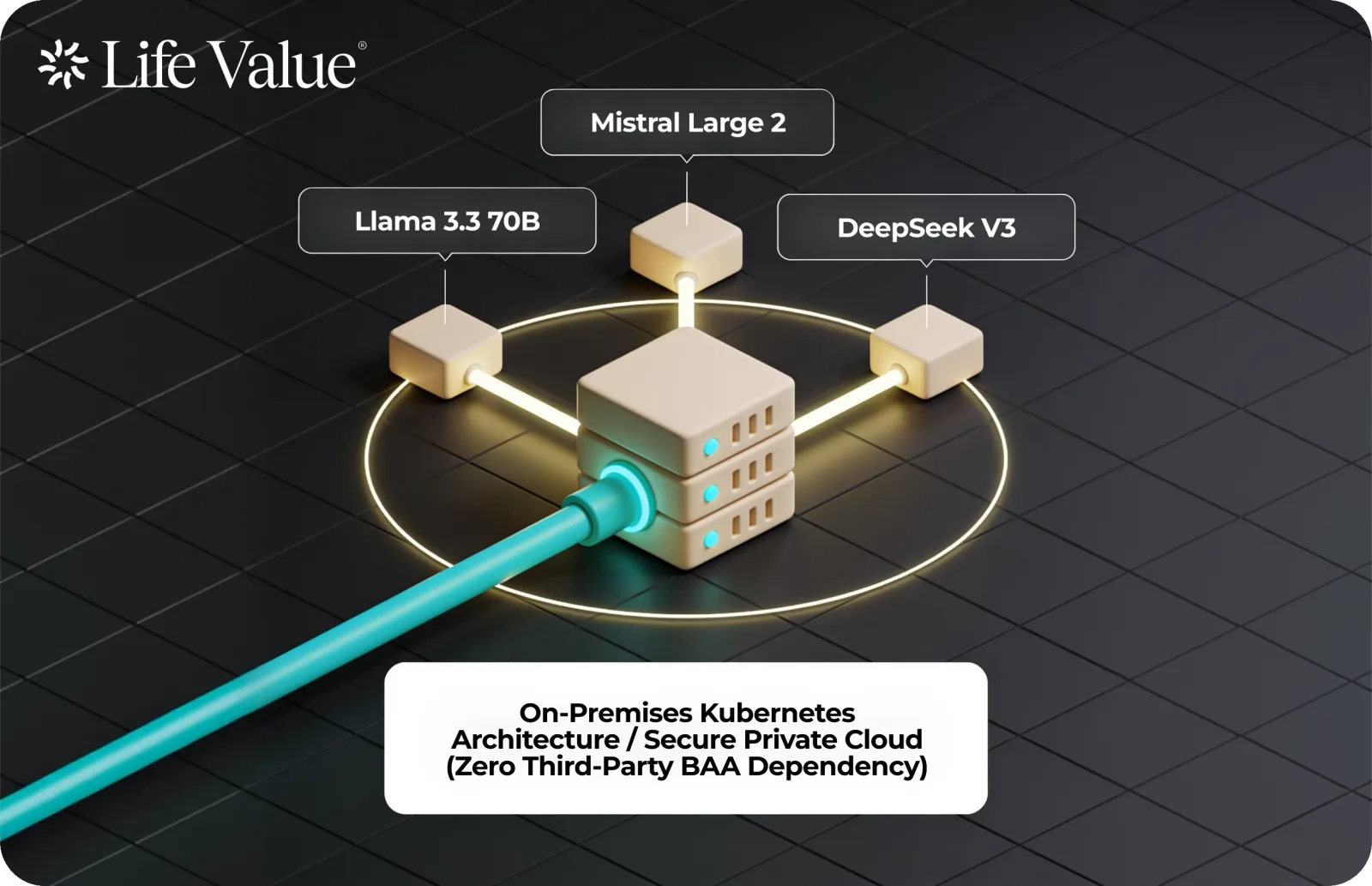
The model layer runs on AWS Bedrock or Azure OpenAI under the HIPAA-eligible service tier, both covered by a Business Associate Agreement. PHI never leaves the BAA boundary. Audit logging is wired in from day one. For ministries and carriers that require in-region processing, the same architecture runs in HDS (France), C5 (Germany), or a national sovereign cloud.

What happens at the end of the 1 to 3 weeks?

The buyer's clinical or claims leadership signs off on going to production, or kills the use case fast. Either way the spend stays small. Output is a working prototype the team can click through, a 5-page architecture brief, a clinician validation note documenting the hours shadowed and the workflow observed, and a productionization cost estimate. If the team proceeds, the prototype rolls into a build engagement with the same senior team.

Can’t find the answer you’re looking for? 
We are here to help.

Ready to accelerate your next digital health breakthrough?

Whether you're launching a new solution or scaling an existing product, Life Value gives you the clarity, speed, and compliance needed to move with confidence.