AI & Automation
Browser Extension for Product Import
The Browser Extension for Product Import helps online retailers easily expand their store catalogs by importing products from any website. Read case study.


Life Value extended the open-source Cloud Carbon Footprint project, adding a command-line workflow and CSV export so a client could measure AWS emissions from exported data.
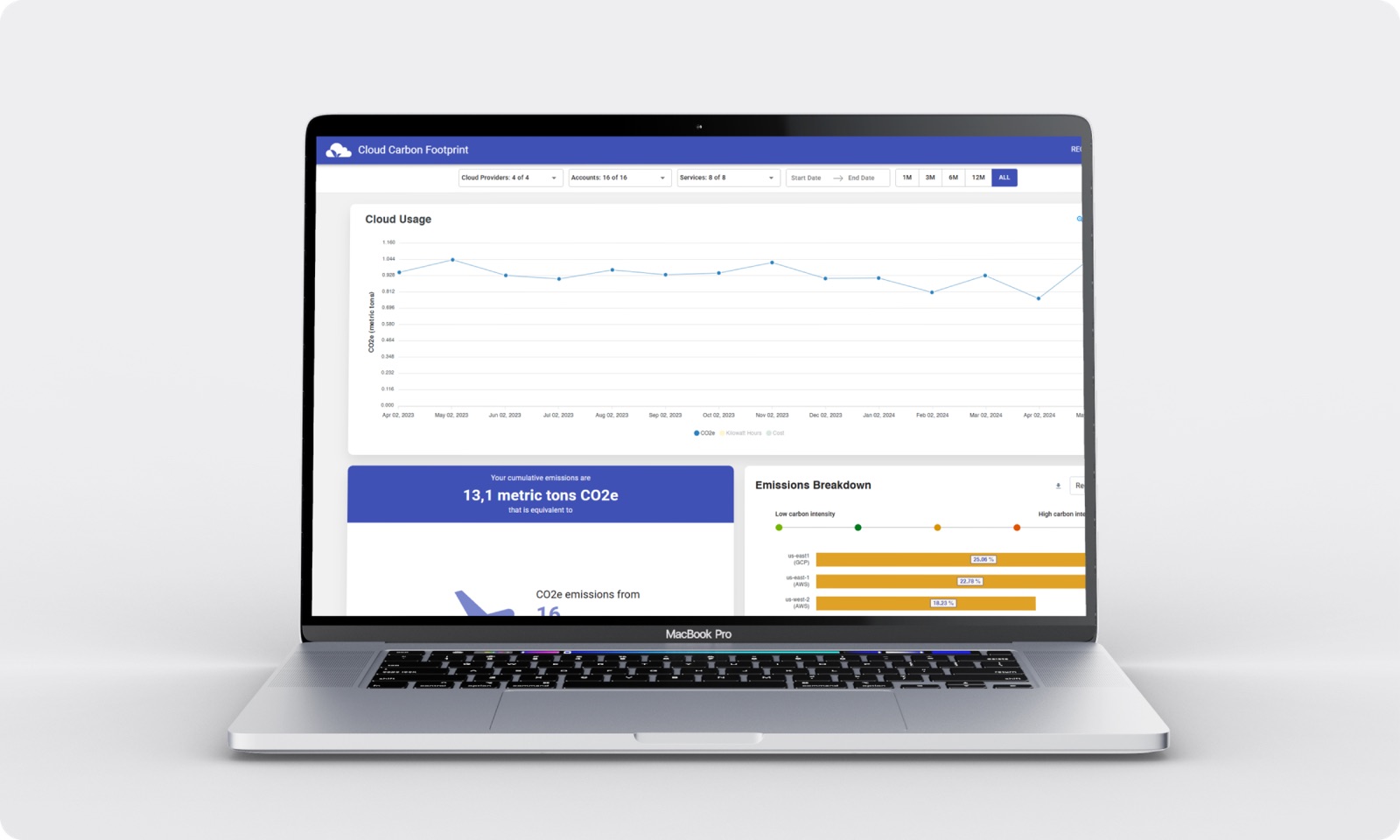

Cloud Carbon Footprint is an established open-source project, originally created by Thoughtworks and published at cloudcarbonfootprint.org. It estimates the energy use and greenhouse gas emissions behind cloud workloads. Life Value did not create this tool. Our role was to extend the existing project so it fit a client's security constraints and reporting workflow, and to contribute that work back to the open-source codebase.
The existing project was designed mainly to connect to cloud accounts and read billing data directly. That assumption did not match what our client could allow, which is the gap this engagement set out to close.
A European automaker had committed to carbon neutrality by 2040, but its cloud operations were a blind spot. Engineering and sustainability teams could see the AWS bill, yet they had no reliable view of the energy and emissions behind it. Strict security policy ruled out giving any third party or tool direct access to the cloud environment, so any measurement had to work from exported data alone.
The blockers were specific:
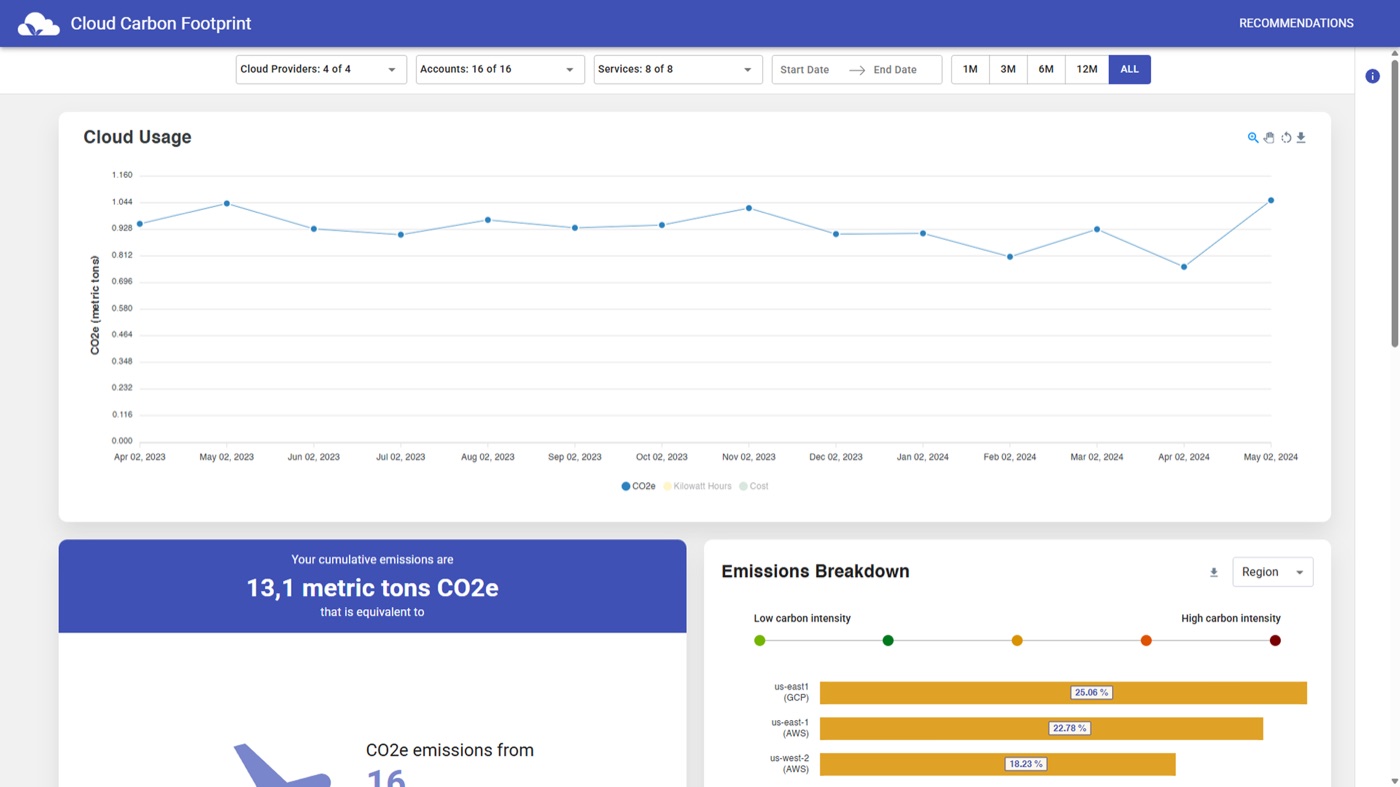
Life Value extended Cloud Carbon Footprint rather than building a new tool. We added a command-line workflow and CSV export so the existing emissions logic could run against exported AWS usage data, with no connection to the client's live systems. The additions sit on top of the open-source project and were written so they could be contributed upstream.
The features we contributed:
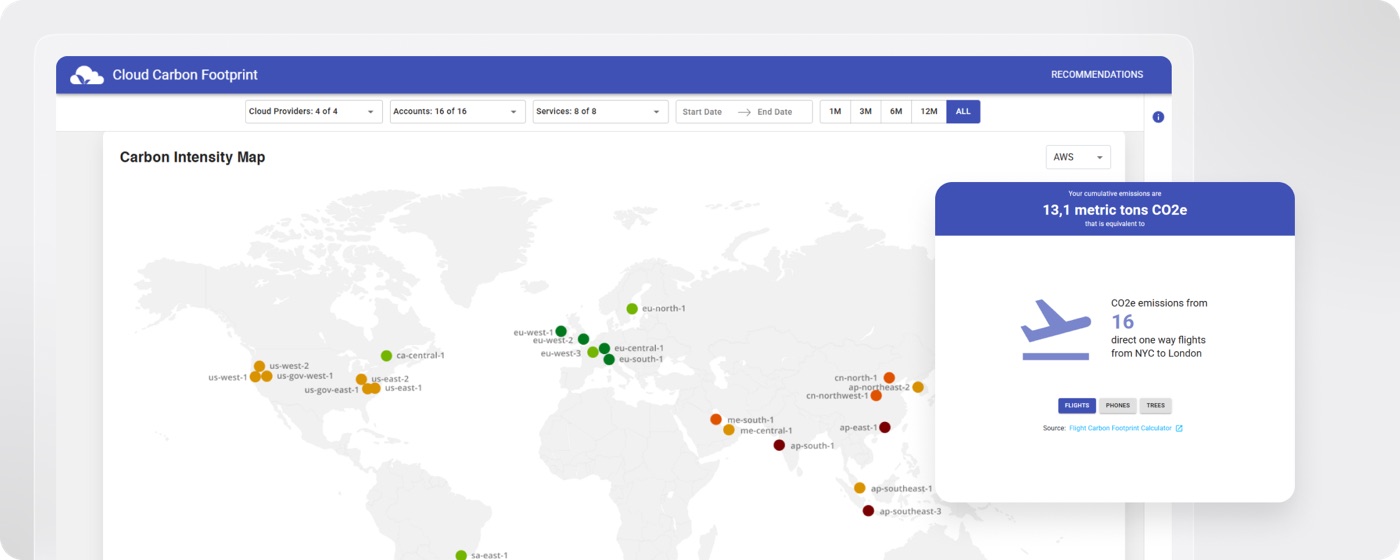
The extended workflow gave the client a repeatable way to measure cloud emissions and a documented baseline to build on, all within its security rules.

The extended workflow follows a plain path from data to report. The client exports usage data from AWS. The CLI reads those files, hands them to Cloud Carbon Footprint's existing estimation logic, which maps each line of usage to an energy estimate and applies regional carbon intensity factors to produce CO2e figures. The CSV export then writes a breakdown by service and region that can be re-run each reporting period to track change over time.
Did Life Value build Cloud Carbon Footprint?
No. Cloud Carbon Footprint is an established open-source project, originally created by Thoughtworks. Life Value extended it, adding a command-line workflow and CSV export, and contributed that work back to the open-source codebase.
What did Life Value actually add?
A command-line path and CSV export that let the project run against exported AWS usage data, plus documented assumptions behind each figure. These sit on top of the existing project rather than replacing it.
Does the tool need access to our cloud account?
No. The command-line workflow we added runs entirely from data you export yourself and on your own machines, so your security policies stay intact.
Does it work with cloud providers other than AWS?
The open-source project supports several providers. Our work focused on the AWS exported-data path for this engagement, and the underlying project can be extended further over time.
By extending an established open-source project instead of starting from scratch, Life Value gave the client a measured baseline, a clear view of its biggest emission contributors, and a method it can trust, all without breaking strict security rules. The command-line and CSV export work went back to the Cloud Carbon Footprint community, so the result helps more than one organization. Life Value continues to help teams put practical measurement behind their environmental goals.



See how forward-thinking hospitals, clinics, and startups are solving critical challenges with LifeValue — from speeding up delivery to enhancing compliance and unlocking new opportunities across care and operations.